Why I Built a Booking Platform for Padel and Tennis Clubs (and What It Taught Me)
Posted on
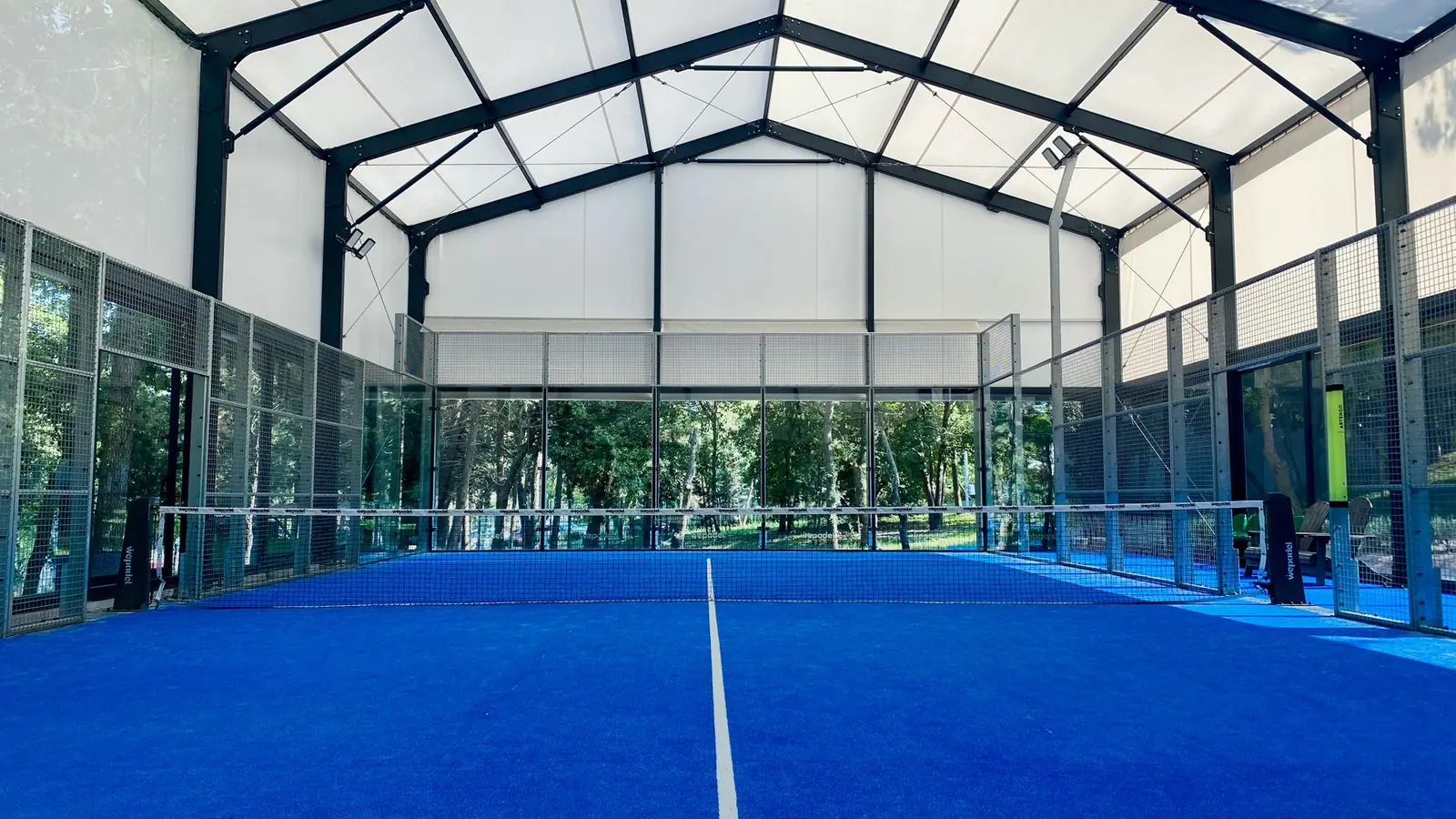
A padel court that sits empty at 9 pm on a Tuesday is revenue that never comes back. A court that is double-booked at 9 pm on a Friday is a very unhappy evening for eight people. For a sports club, the schedule is the business, and in many clubs that schedule still lives in phone calls, chat messages and a notebook at the front desk.
I am a software engineer, and I like problems where good software removes daily friction for people who are not software people. A club is exactly that kind of place. So I started building a booking platform for padel and tennis clubs and gyms. This is what drew me to the problem, and what building for clubs has taught me so far.
The problem is easy to see from the outside
You don't need to run a club to notice how bookings often work: someone calls, someone else writes a message, the receptionist checks the schedule, and a few hours later a player cancels by text. Every step is a chance for a mistake, and none of it scales when the club adds courts, coaches or a second location.
Padel has grown quickly in Greece and across Europe, and with that growth comes pressure. More courts, more members and more kinds of bookings (matches, lessons, kids' sessions, tournaments) all land on the same small team. Good software for padel clubs isn't a luxury at that point. It is what lets a team of a few people run a busy club without drowning in admin.
That is the idea behind BookedIn, the booking platform I'm building for padel and tennis clubs and gyms: online bookings, matchmaking, tournaments and memberships, in an app that carries the club's own name and logo.
Lesson 1: the booking engine has to be boring and correct
The most important feature of a booking system is the one nobody notices: it never double-books. Availability has to be real-time, and two people tapping the same slot at the same moment must never both succeed.
It sounds obvious, but it shapes the whole architecture. Everything else, from the prettiest screen to the cleverest feature, is worthless if a player turns up and the court is already taken. Reliability comes first, and polish comes after.
Lesson 2: every club has its own rules
A court is not just a court. Some are for doubles only, some can host singles, some are used for lessons or kids' sessions. Durations differ, opening hours differ, and members get different conditions.
If the software forces every club into one rigid template, the club ends up working around the software, which defeats the purpose. The platform has to be flexible about rules and still strict about correctness. Getting that balance right takes far more time than building the first version of a calendar.
Lesson 3: the real problem is the fourth player
In padel, a booking needs four people. A lot of empty courts aren't empty because nobody wants to play. They're empty because three friends can't find a fourth, so nobody books.
That's why I think a booking platform has to do more than keep a calendar. A calendar only records bookings. Matchmaking creates them: a player opens a game, says their level and time, and the app finds people who fit. In our first year, more than 1,000 open games were completely filled through BookedIn, and the median time for a game to find all its players was 2.4 hours. Those are courts that would otherwise have stayed empty.
Lesson 4: the product lives in the player's pocket
Players decide to play on their phones, usually in the evening and often at the last minute. If the booking flow takes more than a few taps, they give up or call someone else. Reminders, easy cancellation with clear rules, and a waitlist when a slot frees up matter just as much as the booking screen.
This is also where my background in mobile development helped. With React Native I can build for iOS and Android from one codebase, which matters a lot for a small team that wants to keep improving the product without maintaining two apps.
Lesson 5: club staff are not software people, and they shouldn't have to be
The people who run clubs are busy with members, coaches, maintenance and a hundred small emergencies. They don't have time for a complicated dashboard. If a task takes more than a minute or two, it won't get done, or it will be done wrongly.
So the admin side has to be as carefully designed as the player side: a clear schedule, simple cancellation rules, easy announcements to members, and reports that answer real questions such as which hours stay empty and which courts are busiest. The hardest part is often not the software itself but moving a club off its spreadsheets and notebooks without disrupting a single day of play.
I'm still learning, and every club teaches me something new about how sport and software fit together. If you run a club or a gym and want to talk about how it operates today, you can reach me through the contact page.